
The European Commission has issued guidelines with actions aimed at preventing and addressing highly pathogenic avian influenza (HPAI) when it may affect species other than birds. The document “Highly Pathogenic Avian Influenza– Scenarios for the EU measures in animals other than birds, and food in the context of detections of HPAIV (H5N1 – B3.13 and others) in US dairy cows. ”
details practical measures both at European Union and Member State level to ensure preparedness and response to the emergence of HPAI in mammals or in food products.
It also outlines the main prevention, surveillance and response strategies, aligned with the robust animal health legislative framework currently in force in the EU. These guidelines are framed within the One Health approach that the Commission applies to combat HPAI and reduce the risk of zoonotic disease spread.
Highly pathogenic avian influenza in US dairy cows: what EU poultry producers need to know
The unprecedented detection of the highly pathogenic avian influenza (HPAI) H5N1 virus in dairy cows in the United States has triggered a major global alert. As a result of this “spillover” into bovine livestock, the European Union (EU) is taking proactive prevention and preparedness measures that are of direct relevance to the European poultry sector, including veterinarians, industry operators and farmers.
The HPAI H5N1 threat in the US: an emerging virus?
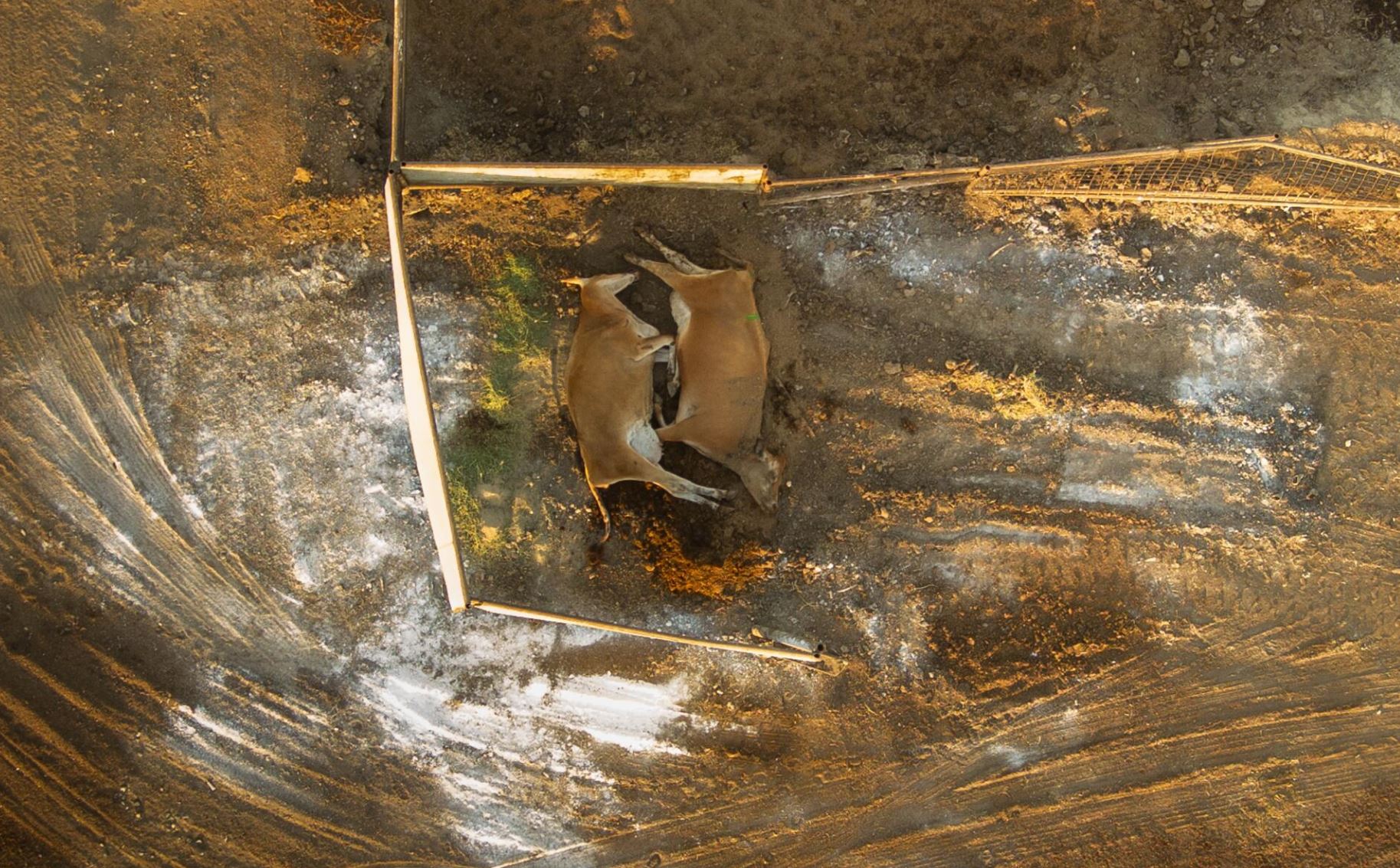
Since late March 2024, the United States has been reporting cases of HPAI H5N1 in dairy cows. This virus, which has spread between herds primarily through the movement of lactating animals, causes mastitis (udder inflammation) and a decline in milk production, which frequently presents an abnormal appearance. It is crucial to note that milk from infected animals has been shown to be contaminated with the virus.
Furthermore, HPAI H5N1 has demonstrated its capacity for transmission to other mammals, including cats and pigs, and even to humans. Up to 14 March 2025, 41 human cases were reported involving exposure to infected or presumptively infected dairy cows, the majority presenting mild symptoms such as conjunctivitis. To date, there is no evidence of human-to-human transmission.
It is essential for the European poultry sector to be aware that the specific virus strain affecting dairy cows in the US (H5N1, genotype B3.13 and D1.1) has not been detected in the EU to date.
The EU’s current stance and preparedness
The European Commission (EC), with the support of key institutions such as the EU Reference Laboratory (EURL), the European Food Safety Authority (EFSA) and the European Centre for Disease Prevention and Control (ECDC), is closely monitoring developments in the US. Although no imminent risk to EU public health or livestock has yet been identified, prevention and preparedness measures and actions are already under way.
Key actions being undertaken by the EU include:
- Structured, risk-based surveillance: Active surveillance of HPAI strains circulating in the EU, in both birds and mammals, is maintained through the Union Avian Influenza Surveillance Programme.
- Risk assessment and scientific advice: EFSA has been requested to analyse the situation in the US and provide scientific advice on the risks to animal health, veterinary public health and food safety associated with this particular HPAI strain, including its likely evolution and the possibility of spread to Europe.
- Biosecurity awareness initiatives: EFSA has been tasked with developing a communication strategy and awareness campaign. In addition, the European Commission intends to support targeted communication directed at the poultry sector to enhance awareness and preparedness.
- Preparedness exercises: In December 2024, a simulation exercise (SIMEX) focused on zoonotic HPAI was carried out to practise cross-sector coordination under the One Health approach.
¿ What measures could the EU activate?
Although the US strain is not present in the EU, the occurrence of certain situations could trigger additional preparedness or response measures. These trigger factors include:
- Indications that the spread of strain B3.13 in the US is not under control or is extending to neighbouring countries, increasing the risk to the EU.
- Signals from EFSA or surveillance data indicating that this virus could spread to Europe, particularly through migratory birds.
- The identification of new, higher-risk transmission routes of the virus between animals or to humans (e.g. through food).
- The detection of human-to-human transmission.
- The detection in the EU of any HPAIV in dairy cows, or of specific HPAIV mutations circulating in the EU that pose a particular risk.
- The detection in the EU of the US strain B3.13 in any non-avian species, or in the environment.
- The detection in the EU of an autochthonous human case caused by the US strain B3.13.
Potential measures in the event of detection
Should any of the above situations be triggered, the EU has a “toolbox” of possible measures available. Although the report focuses on dairy cows, the response framework is broad and relevant to any emerging animal health threat, directly affecting the poultry sector given the nature of HPAI. Possible measures at Member State and European Commission level include:
- Clinical and enhanced surveillance: Including virus detection and genomic surveillance.
- Enhanced biosecurity: Such as animal isolation and disinfection. For poultry farms, this underscores the ongoing importance of maintaining and strengthening the strict biosecurity measures already in place.
- Movement restrictions on high-risk animals and regionalisation.
- Specific entry requirements into the EU for animals and products from affected countries.
- Should the virus affect bovines or other species, it could be classified as an emerging disease under the EU Animal Health Law, enabling the adoption of more robust and sustained measures.
Strict biosecurity and constant monitoring across all livestock species
The EU has a well-developed and harmonised system of animal health and veterinary public health standards, including food safety, to manage the potential emerging risk posed by the HPAI strain circulating in US dairy cows. Ongoing risk assessment and support from EFSA and EURL are vital to the Commission’s risk management actions.
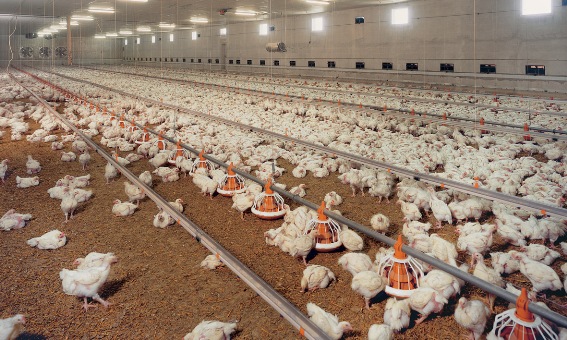
For poultry professionals, while the immediate threat of this specific strain in dairy cows is not present in the EU, the situation underscores the ongoing importance of robust biosecurity and constant vigilance on farms. The EU’s existing surveillance systems cover both birds and mammals, enabling the detection of such events and providing genomic surveillance to inform public health responses. The EU’s proactive stance, which includes tailored communication for the poultry sector, demonstrates a firm commitment to protecting animal and public health against HPAI.
For further information:
-. Highly Pathogenic Avian Influenza– Scenarios for the EU measures in animals other than birds, and food in the context of detections of
HPAIV (H5N1 – B3.13 and others) in US dairy cows. EC, published 29 april 2025
-. Avian Influenza update December 2024 to March 2025.
-. Avian Influenza update Sept. to Dec. 2024.
-. Avian Influenza update June to Sept. 2024.
-. Avian Influenza on NeXusAvicultura.com