
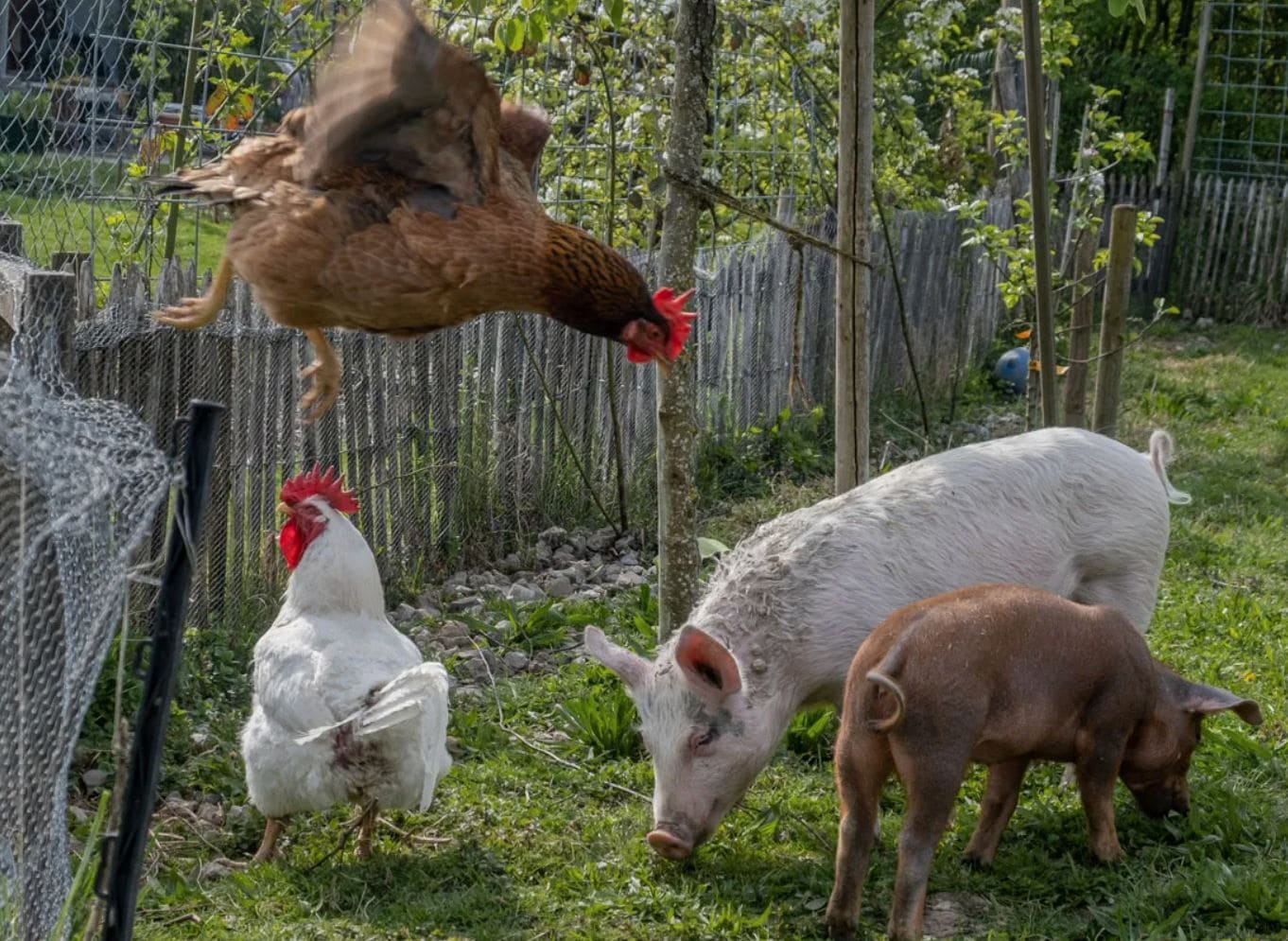
In late October 2024, United States federal authorities announced the first detection of H5N1 avian influenza in pigs, which occurred at a backyard farm in Oregon, where an outbreak in domestic poultry had also recently taken place. According to reports, the farm keeps a mixture of poultry and livestock, including the 5 affected pigs, as well as sheep and goats.
When H5N1 emerged in dairy cattle in early 2024, authorities grew concerned about its potential spread to pigs, due to the impact on agriculture and the food supply, but also because it is well known that pigs serve as a mixing vessel for zoonotic and human influenza viruses. However, it remains unclear whether the pigs had a systemic infection or whether environmental contamination on the farm led to positive nasal swab results.
The pigs shared their environment with sick birds
Although the affected pigs showed no signs of disease, the Oregon Health Authority and the USDA tested them as a precautionary measure, after which they were culled for further diagnostic analysis.
“This farm is a non-commercial operation and the animals were not intended for the food supply market, so there is no concern regarding the safety of pork in the country,” authorities stated in order to reassure the public.

Initial genetic sequencing was carried out at the USDA National Veterinary Services Laboratories, and although no genotype was recorded, authorities stated that there are no changes in the H5N1 virus that would suggest it is more transmissible to humans. Furthermore, it remains unknown whether the pigs were genuinely infected or whether their nasal passages had been contaminated through environmental exposure — a situation that had previously occurred when a Colorado poultry slaughterhouse worker tested positive in 2022 during a nasal swab conducted as part of disease surveillance.
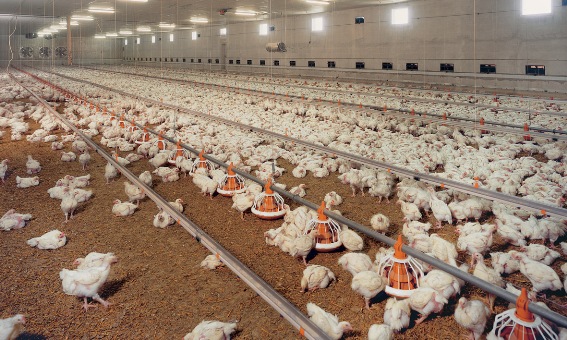
The detection of the H5N1 virus in pigs comes amid a recent surge in poultry outbreaks on farms in several western states, occurring in conjunction with the migration of wild birds along the Pacific Flyway.
To learn more:
-. Avian Influenza at NeXusAvicultura.com